Why Every New Development Needs Its Own Website
· Portals and PDF brochures rent attention for a weekend. A dedicated website for your development owns it — and turns casual interest into qualified buyer enquiries.
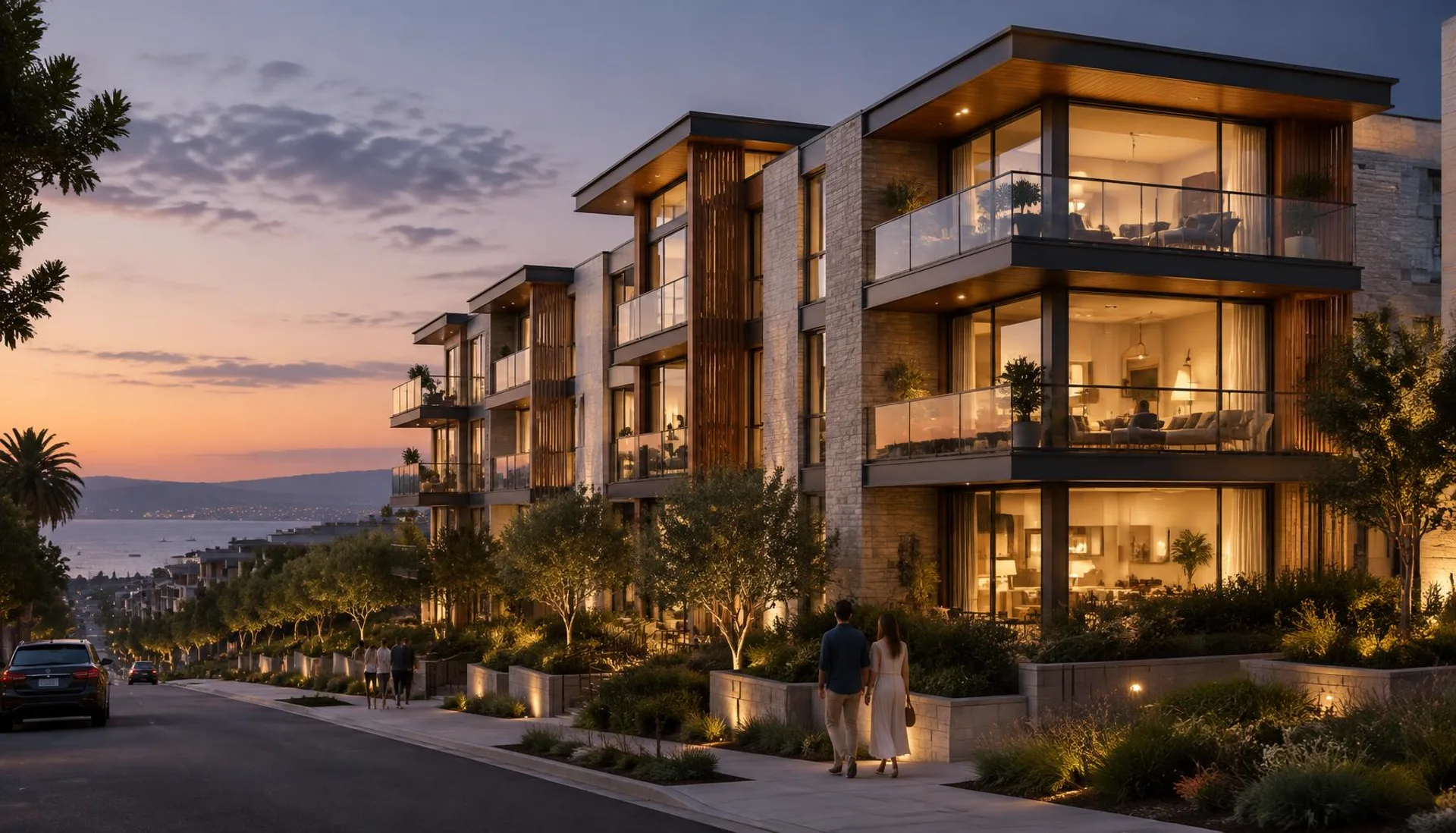
When a buyer hears about a new development, the first thing they do is search for it. What they find at that moment decides whether the conversation continues. If the answer is a portal listing squeezed between competing projects, or a PDF that cannot be shared properly on a phone, the momentum you paid for evaporates.
A dedicated website changes that equation. Here is why it has become the centre of serious development marketing.
Portals rent attention — a website owns it
Property portals are excellent for reach and terrible for differentiation. Your project appears as one card among dozens, formatted to the portal's template, surrounded by competing listings and sometimes by their advertising. You pay for the exposure, but the portal keeps the relationship.
A development website works the other way around:
- One address, one story. The name of the project becomes a searchable, shareable destination — yourdevelopment.com instead of a portal URL nobody remembers.
- No competition on the page. Every pixel serves your project: the architecture, the location, the finishes, the team behind it.
- You keep the data. Every enquiry, every downloaded floor plan, every registered interest lands in your inbox, not in a portal's lead marketplace.
What buyers expect to find
Buyers of new-build homes research for weeks before they ever contact a sales team. The website is where that research happens. The essentials:
- Photorealistic exterior and interior visualizations that show the finished building, not the construction site
- 3D floor plans that make layouts understandable at a glance — far faster than reading 2D plans
- An availability and pricing structure that answers the obvious questions honestly
- Location content — neighbourhood, connections, the lifestyle the address implies
- A clear next step: register interest, book a viewing, request the full price list
If any of these is missing, buyers do not wait — they move to the next project.
The compounding effect
Every other marketing asset becomes more effective when it points somewhere it owns. The billboard carries one memorable address. The Instagram ad links to a page built to convert, not a portal template. The broker's email includes a link buyers actually open on their phones. Analytics show exactly which channel produces enquiries, so the budget follows evidence instead of habit.
A good development website also keeps working after the first release: new phases, construction progress updates, show-home announcements. It becomes the project's permanent record — and a portfolio piece for the developer's next project.
One link for everything
This is exactly what we build with our Real Estate Development Websites service: visualizations, 3D floor plans and the website itself from one studio, on one timeline. The renders on the page are the same files that feed the brochure and the advertising, so nothing drifts out of sync.
If you are planning a launch, tell us about the project — we will show you what yourdevelopment.com could look like before the first unit is sold.